
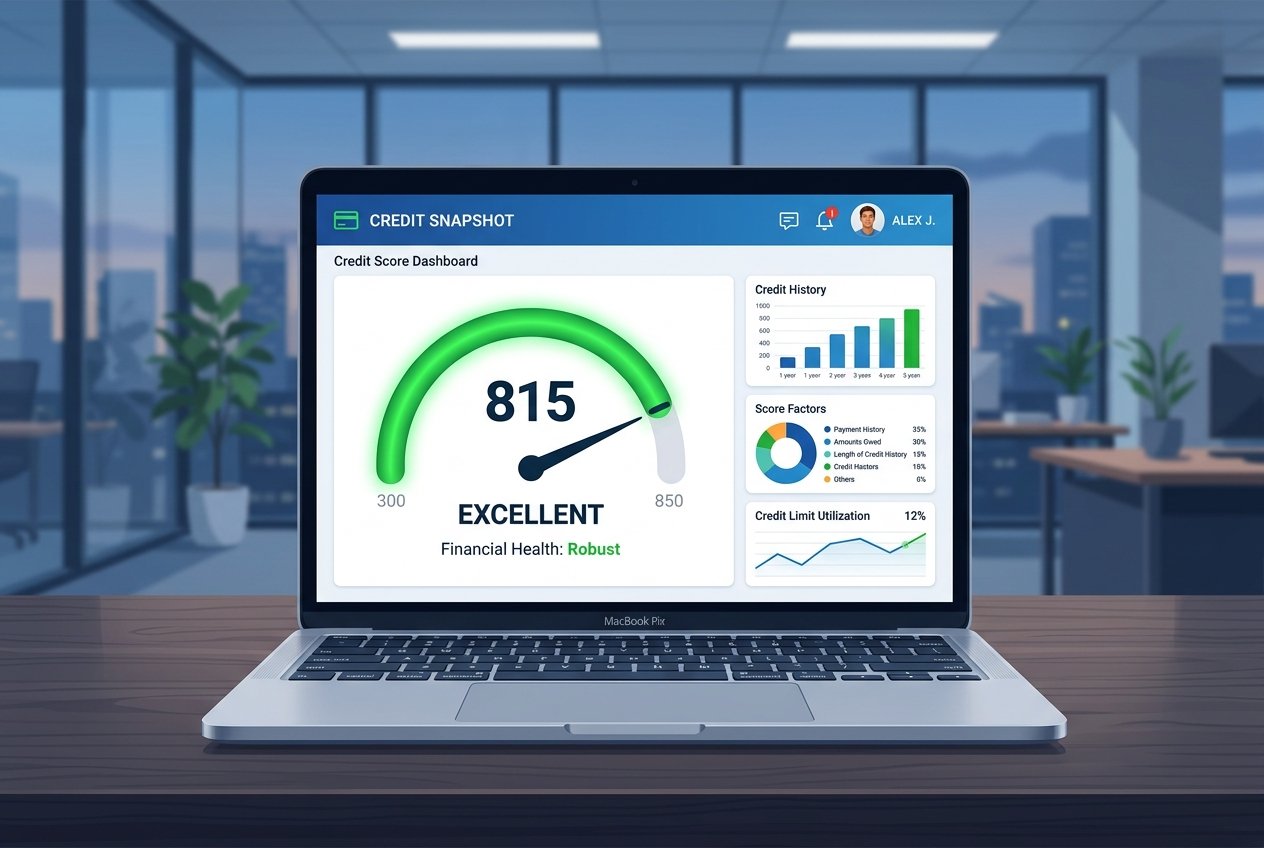
When you apply for a home loan, the first check a lender performs is pulling your credit bureau report. In India, the TransUnion CIBIL score is the gold standard for assessing credit risk. Ranging from 300 to 900, your credit score summarizes your borrowing history, repayment patterns, and debt management capabilities. A score of 750 or above is considered excellent and acts as a master key to secure lower interest rates, higher loan amounts, and rapid processing cycles. Conversely, a poor credit score can lead to rejection or high-interest rate offers that cost lakhs over time.
The Crucial Metrics of a CIBIL Score
To systematically raise your score, you must understand how it is calculated. CIBIL scores are not arbitrary numbers; they are computed based on clear financial behaviors:
- Repayment History (35% impact): Making payment on time is the single most critical factor. Every late payment on credit cards, personal loans, or automobile finance is logged as a default, reducing your score.
- Credit Utilization Ratio (30% impact): This is the ratio of your active credit card balance to your total credit limit. Using more than 30% of your credit limit implies high credit dependence and lowers your score.
- Credit Mix (15% impact): A balanced portfolio of secured debt (home loans, auto loans) and unsecured debt (personal loans, credit cards) indicates seasoned credit handling.
- Credit Enquiries (20% impact): Every time you apply for credit, the bank makes a 'hard inquiry'. Too many enquiries in a short period suggest credit hunger and reduce your score.
Step-by-Step Action Plan to Elevate Your Score
If your CIBIL score is currently subpar, follow this proven roadmap to systematically rebuild it:
- Automate Your Repayments: Set up standing instructions or auto-debit triggers for all active EMIs and credit card minimum payments. A single 30-day delay can drop your score by up to 50 points.
- Maintain Credit Utilization Below 30%: If you have a credit card with a ₹1,00,000 limit, try not to spend more than ₹30,000 on it. Pay your balances mid-cycle to keep reported utilization low.
- Do Not Close Old Accounts: The age of your credit accounts contributes to your score. Older active accounts demonstrate long-term repayment consistency, which banks appreciate.
- Resolve Errors on Your Credit Report: Frequently check your report for administrative mistakes, such as incorrectly marked defaults or active loans that you have already closed. File online disputes on the CIBIL portal to correct these promptly.
Navigating Credit Disputes and Clearing Administrative Blunders
Administrative errors on credit bureau reports are more common than you think. A bank might delay updating a 'No Due Certificate' (NDC) or record a spelling mismatch, linking someone else's default to your PAN card. To resolve this, pull your CIBIL report and highlight the error. Visit the official CIBIL online dispute resolution portal, upload supporting payment proofs, and submit a request. By law, CIBIL must coordinate with the lender and resolve the dispute within 30 days. Keeping your credit history clean ensures maximum borrowing eligibility when you apply for a home loan.
Consulting Insights from Easy Home Loan DSA
"Many clients come to us with a score of 680 and wonder why their home loan rate is 8.5% instead of 7.1%," says Saheba Kheterpal. "Over a 20-year period, that interest gap adds up to a massive financial loss. We review our clients' credit profiles first. If their score is borderline, we guide them on structured repayments and debt consolidation to lift their score before submitting applications."
Pooja Sabharwal adds: "Never make multiple loan enquiries simultaneously on search portals. It floods your report with hard enquiries. Let us analyze your profile offline, match you with the right bank, and submit only one highly viable application."
Unsure of Your Loan Eligibility?
Speak to Pooja or Saheba for a detailed, soft eligibility review. We'll help you optimize your profile and match you with lenders offering the best interest rates.
Contact our Advisors